Flooring Ideas: 25+ Best Options for Every Room (2026)

Introduction
Choosing the right flooring can completely transform your home’s look and functionality. Whether you’re renovating a kitchen, updating a bedroom, or finishing a basement, the best flooring ideas combine durability, style, and budget considerations. From timeless hardwood and modern luxury vinyl to budget-friendly laminate and eco-conscious options, there’s a perfect flooring solution for every space and lifestyle.
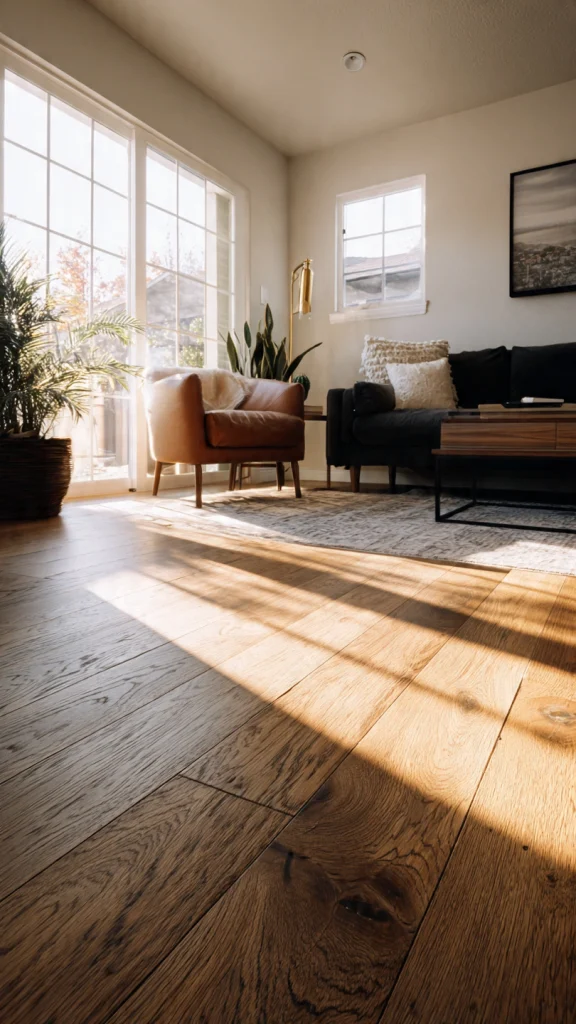
Quick Flooring Options at a Glance:
- Hardwood: Timeless elegance, excellent resale value ($6-$22/sq ft)
- Luxury Vinyl Plank (LVP): Waterproof, realistic wood look ($2-$7/sq ft)
- Tile: Durable for wet areas, endless design options ($3-$35/sq ft)
- Laminate: Budget-friendly wood alternative ($1-$5/sq ft)
- Natural Stone: Premium luxury with unique character ($5-$50/sq ft)
Understanding Your Flooring Options: A Complete Overview
Based on my 12+ years as an interior designer working with homeowners across the USA, I’ve seen flooring trends come and go, but certain materials consistently deliver outstanding results. Let me walk you through the best flooring ideas that actually work in real homes.
Why Flooring Choices Matter More Than You Think
Your flooring represents roughly 30-40% of your room’s visual impact and takes more daily abuse than any other surface. I learned this the hard way when a client installed beautiful but impractical marble in their mudroom—it looked stunning for about three weeks before the first stain appeared.
Top Flooring Ideas by Material Type
1. Hardwood Flooring: The Gold Standard
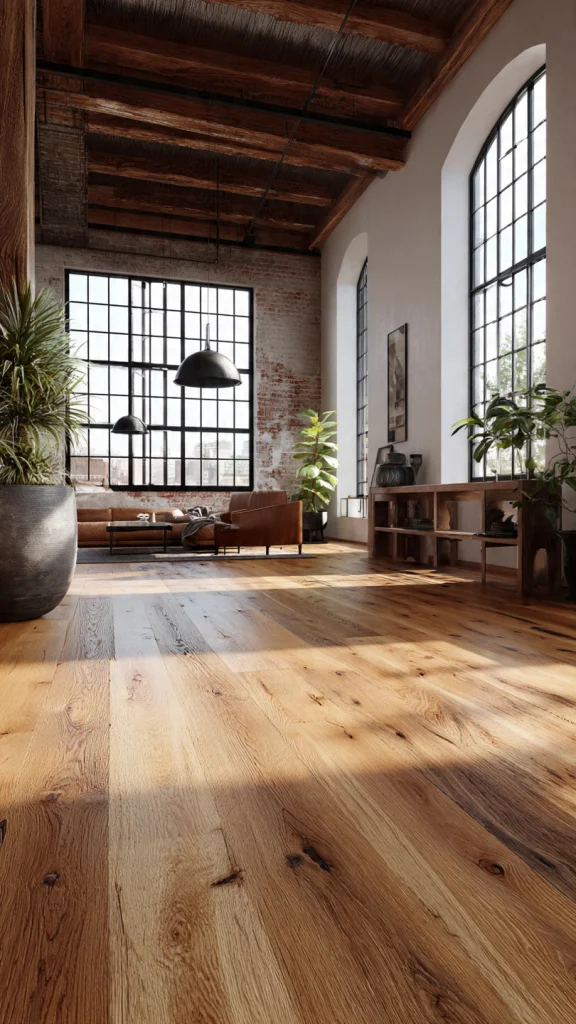
Cost: $6-$22 per square foot (installed)
Durability: 25-100+ years with proper care
Installation Difficulty: Moderate to High
Best For: Living rooms, bedrooms, dining rooms, home offices
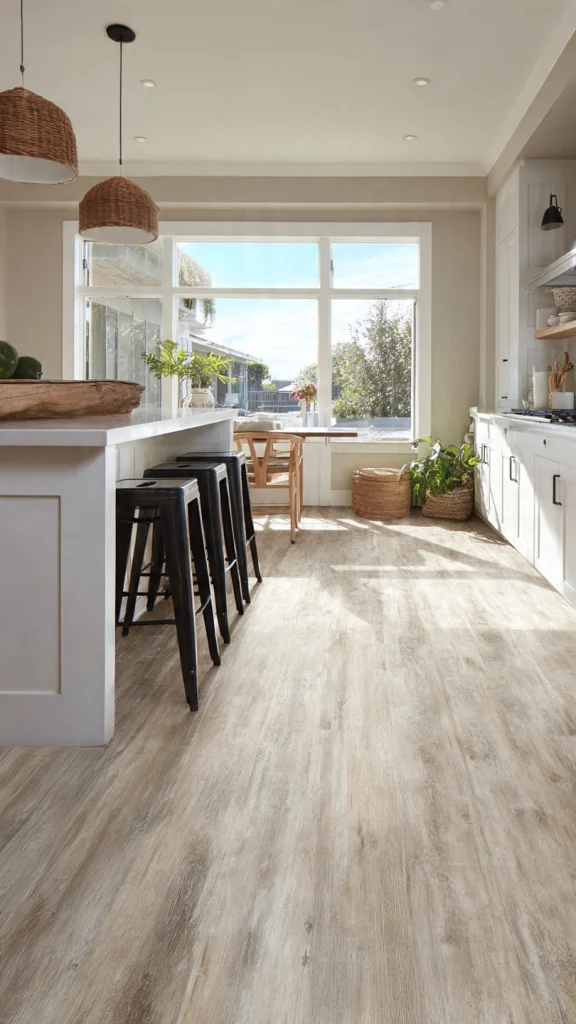
Hardwood remains America’s most desired flooring for good reason. Nothing quite matches the warmth and authenticity of real wood underfoot.
My Experience: I just finished a project in Charlotte where we installed white oak throughout the main living areas. The homeowner was initially worried about scratches with two large dogs, but after choosing a matte finish and slightly distressed texture, those everyday marks just add character.
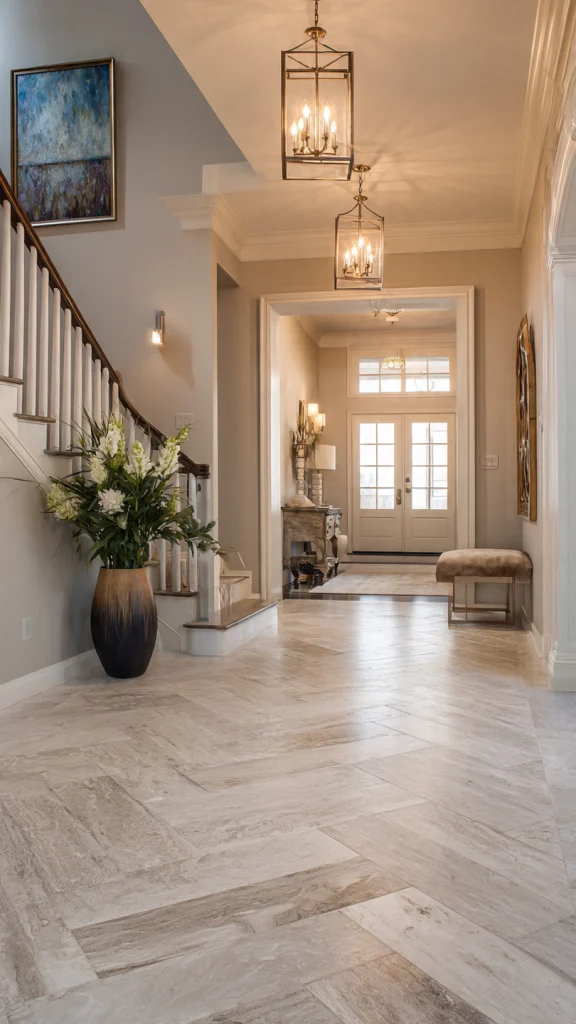
Popular Hardwood Options:
- Oak (Red or White): Most common, excellent grain pattern, takes stain beautifully
- Maple: Lighter color, extremely hard, contemporary look
- Hickory: Rustic appearance with dramatic color variation
- Walnut: Rich chocolate tones, premium feel
- Bamboo: Eco-friendly alternative, comparable hardness to oak
Pros:
- Increases home value significantly
- Can be refinished multiple times
- Timeless aesthetic that never goes out of style
- Natural material that improves with age
- Excellent for allergies (no carpet fibers)
Cons:
- Higher upfront investment
- Susceptible to water damage
- Can scratch and dent (though often repairable)
- Not ideal for basements or very humid climates
- Requires periodic refinishing
Maintenance Tips:
- Sweep or vacuum daily to prevent grit damage
- Use felt pads under furniture legs
- Clean with hardwood-specific cleaners (never wet mop)
- Refinish every 7-10 years depending on traffic
Design Tip: Wide planks (5-7 inches) are trending in modern flooring ideas and make small spaces appear larger. I typically recommend 5-inch planks for rooms under 200 square feet and wider for larger open concepts.
2. Luxury Vinyl Plank (LVP) and Luxury Vinyl Tile (LVT): The Smart Alternative
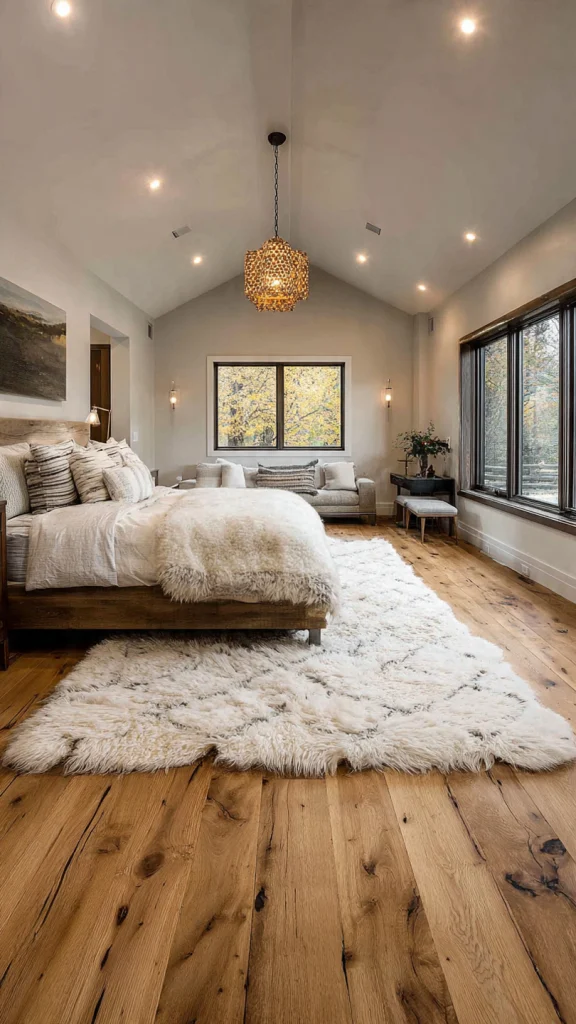
Cost: $2-$7 per square foot (installed)
Durability: 10-25 years
Installation Difficulty: Easy to Moderate (many DIY-friendly options)
Best For: Kitchens, bathrooms, basements, entire homes
This is the flooring category that has completely transformed residential design over the past decade. Modern LVP looks so realistic that most guests can’t tell it apart from real hardwood.
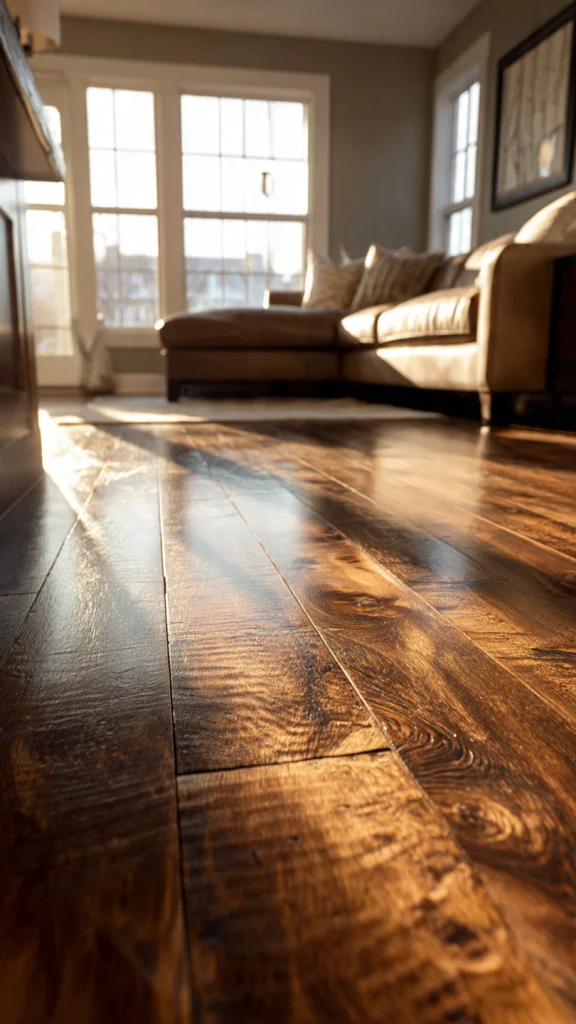
Client Success Story: Last year, a family in Denver needed flooring for their basement family room. With potential moisture concerns and kids who are rough on surfaces, I suggested high-quality LVP. They were skeptical about “fake wood,” but after installation, they couldn’t believe it wasn’t real hardwood. Two years later, it still looks brand new despite heavy use.
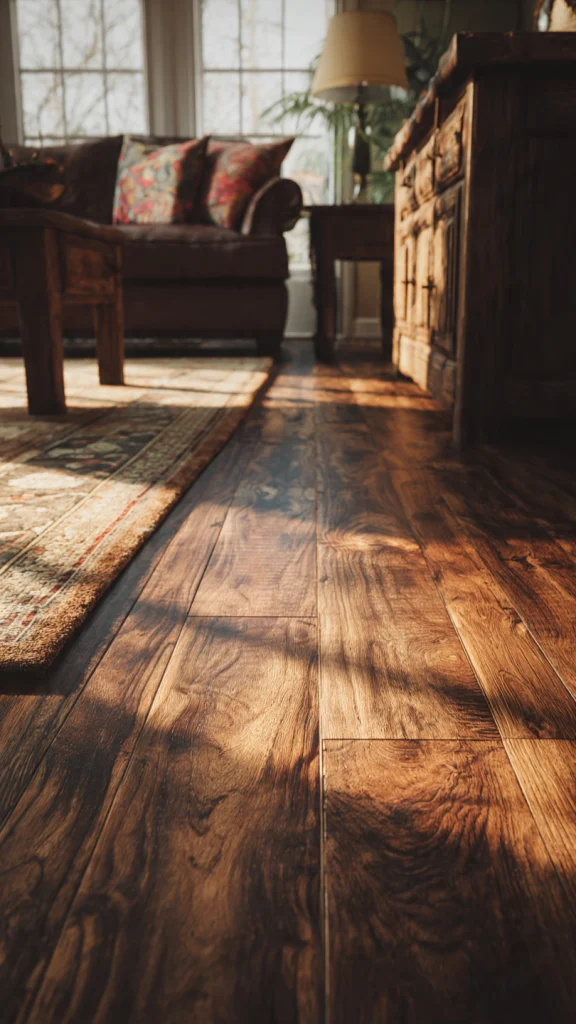
Why LVP Has Exploded in Popularity:
- 100% waterproof core (perfect for kitchens, bathrooms, and basements)
- Realistic embossing that mimics real wood grain textures
- Warmer underfoot than tile
- Extremely scratch-resistant
- Can be installed over most existing floors
Pros:
- Waterproof and moisture-resistant
- Significantly cheaper than hardwood
- Easy installation (click-lock systems)
- Low maintenance requirements
- Feels warmer and softer than tile
- Huge variety of realistic wood and stone looks
Cons:
- Not a natural material (vinyl/plastic-based)
- Can’t be refinished like hardwood
- Lower-end products may look obviously fake
- Can dent under very heavy furniture
- Off-gassing concerns with cheaper products (look for FloorScore certified)
Quality Matters: Don’t skimp on LVP quality. I always tell clients to choose products with:
- At least 20-mil wear layer for residential use
- Rigid core (SPC or WPC) for stability
- Attached underlayment for sound dampening
- FloorScore or GreenGuard certification for air quality
Top Brands: COREtec, Shaw Floorte, Mohawk RevWood, Lifeproof (Home Depot), LL Flooring
3. Tile Flooring: Durability Meets Design
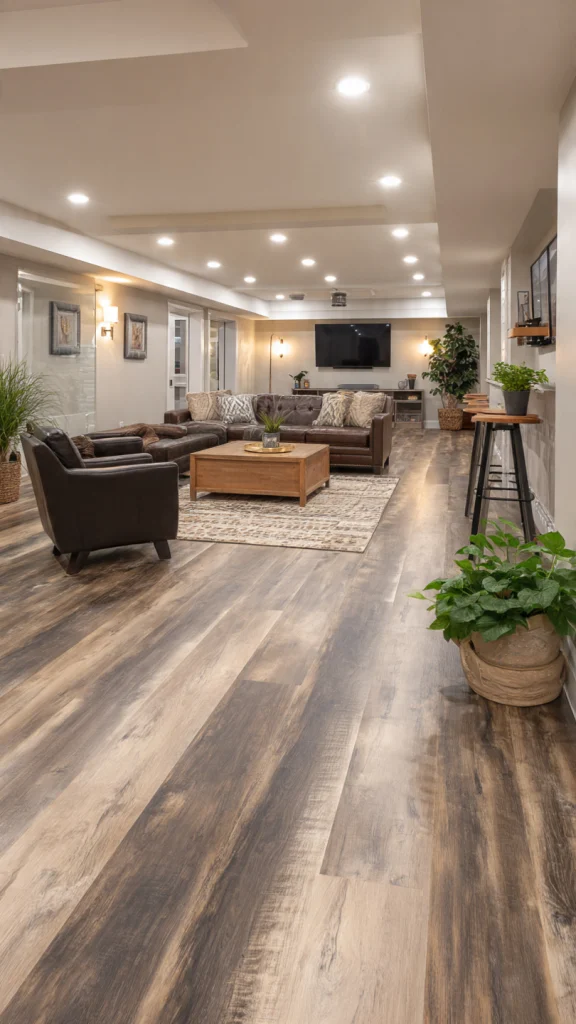
Cost: $3-$35+ per square foot (wide range based on material)
Durability: 50-100+ years
Installation Difficulty: High (professional installation recommended)
Best For: Bathrooms, kitchens, entryways, laundry rooms, outdoor spaces
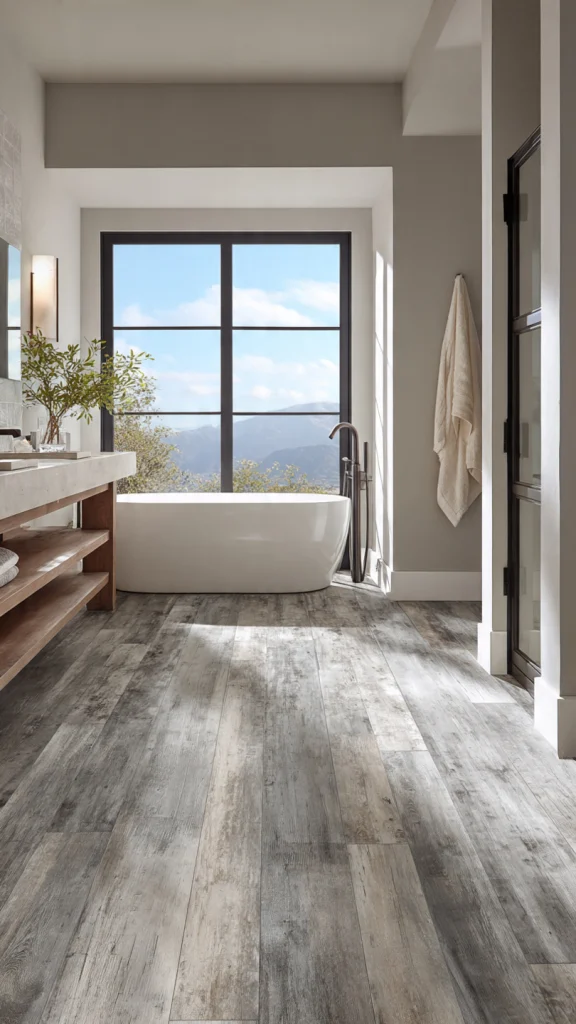
Tile offers unmatched durability and the most design flexibility of any flooring type. From sleek porcelain that mimics marble to colorful cement tiles that create artistic statements, tile can achieve virtually any aesthetic.
Types of Tile Flooring:
Porcelain Tile
- Extremely dense and durable
- Nearly waterproof
- Can mimic wood, stone, or concrete
- Best overall performance
- Cost: $3-$15/sq ft
Ceramic Tile
- More affordable than porcelain
- Excellent for walls and light-traffic floors
- Slightly more porous
- Wide color selection
- Cost: $1-$10/sq ft
Natural Stone Tile
- Marble, travertine, slate, granite
- Unique, authentic character
- Requires sealing
- Cooler underfoot
- Cost: $5-$50+/sq ft
Cement/Encaustic Tile
- Patterned tiles for bold designs
- Artisanal appearance
- Requires professional installation
- Statement-making option
- Cost: $8-$35/sq ft
Pros:
- Virtually indestructible in normal use
- Completely waterproof (with proper installation)
- Endless design possibilities
- Easy to clean and maintain
- Excellent for radiant floor heating
- Great for high-traffic areas
Cons:
- Cold and hard underfoot
- Can be slippery when wet (choose textured finishes)
- Grout requires periodic maintenance
- Professional installation recommended
- Dropped dishes will break
- Can crack under extreme impact
Personal Recommendation: For kitchen flooring ideas, I almost always suggest large-format porcelain tiles (12″x24″ or larger). They’re incredibly durable, the larger size means less grout to maintain, and modern wood-look porcelain gives you the aesthetic of hardwood with the practical benefits of tile.
Trending Tile Patterns:
- Herringbone layout for visual interest
- Large-format tiles (24″x48″) for modern, seamless looks
- Hexagon tiles for vintage charm
- Terrazzo tiles making a comeback
- Wood-look porcelain planks in 8″x48″ sizes
4. Laminate Flooring: Budget-Friendly Beauty
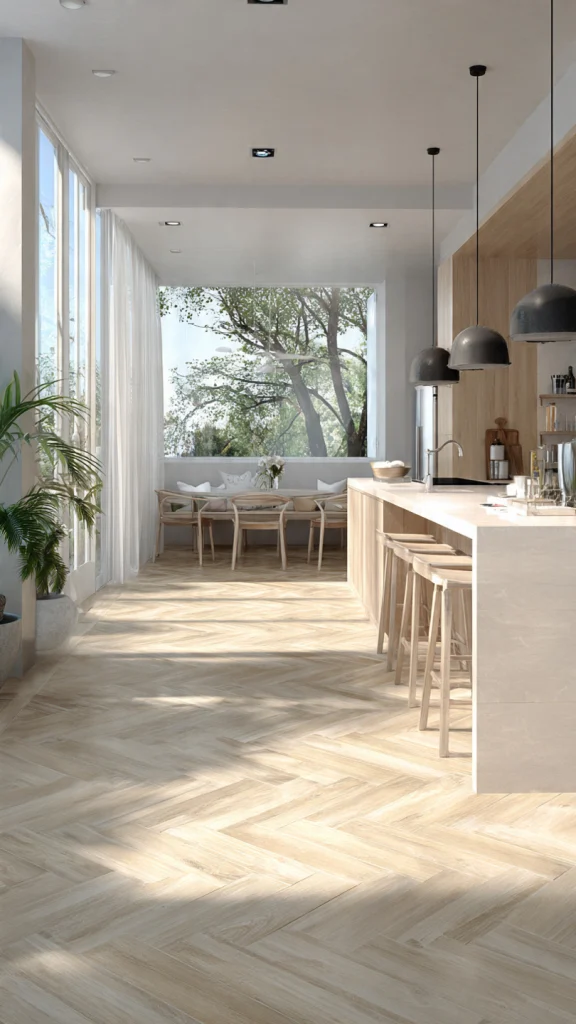
Cost: $1-$5 per square foot (installed)
Durability: 15-25 years
Installation Difficulty: Easy (excellent DIY option)
Best For: Bedrooms, living rooms, offices (avoid wet areas)
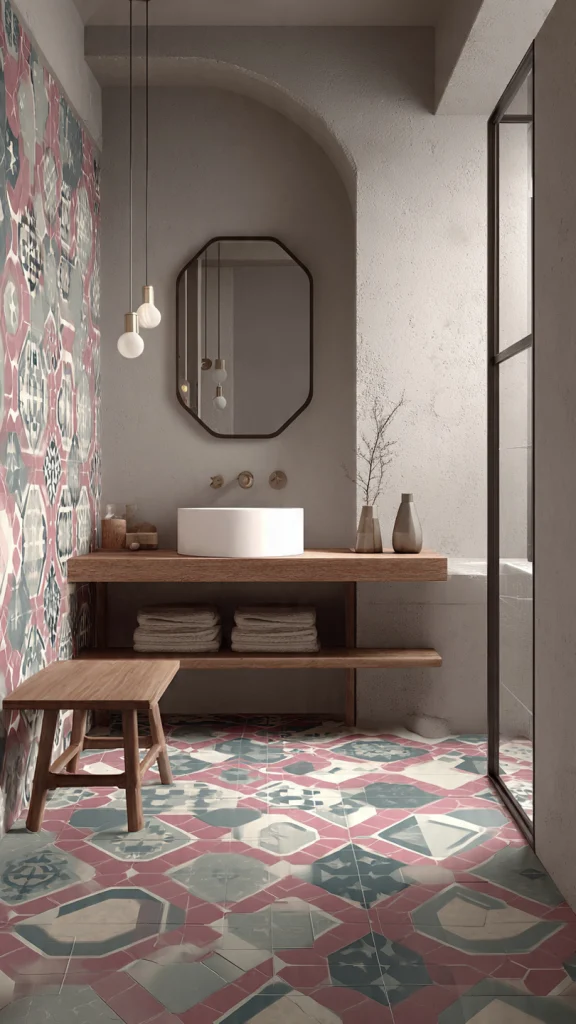
Laminate gets overlooked, but modern products are light-years better than the cheap options from the ’90s. It’s the most budget-friendly way to achieve a wood look throughout your home.
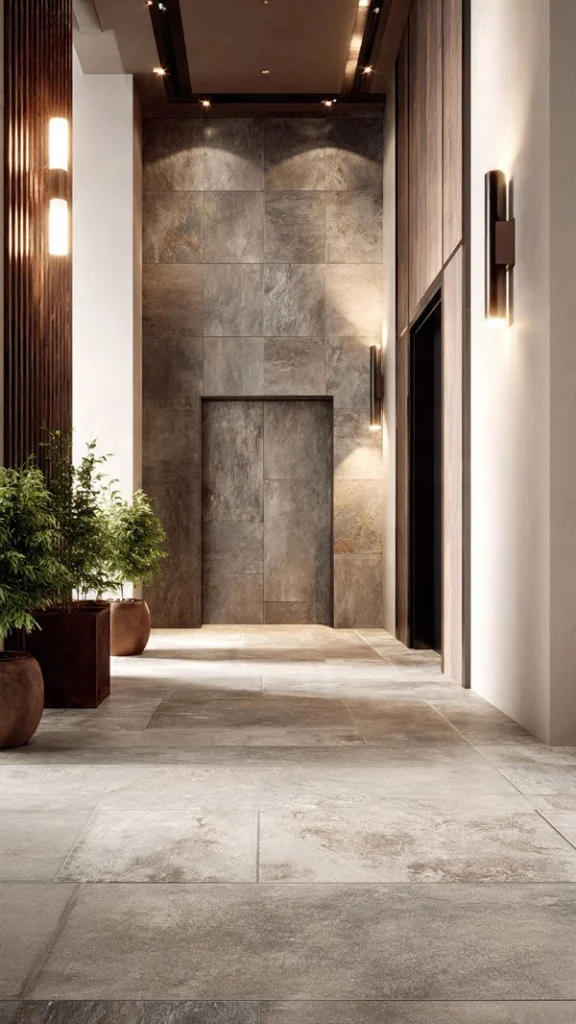
Friend’s Experience: My friend renovated her 1,200 sq ft condo on a tight budget last year. By choosing quality laminate instead of hardwood, she saved about $6,000 and used that money for a kitchen upgrade. Her floors look fantastic, and unless you’re really examining them closely, they pass for real wood.
Pros:
- Most affordable wood-look option
- Easy DIY installation
- Scratch and stain resistant
- Fades less than hardwood in sunlight
- No refinishing needed
Cons:
- Can’t be refinished
- Not waterproof (water-resistant options available)
- Can sound hollow underfoot without good underlayment
- Lower resale value than hardwood
- Can’t be used in very humid environments
Installation Tip: Always use quality underlayment with laminate. It dramatically reduces the hollow sound and adds cushioning. I recommend at least 3mm foam with vapor barrier.
5. Engineered Hardwood: The Best of Both Worlds
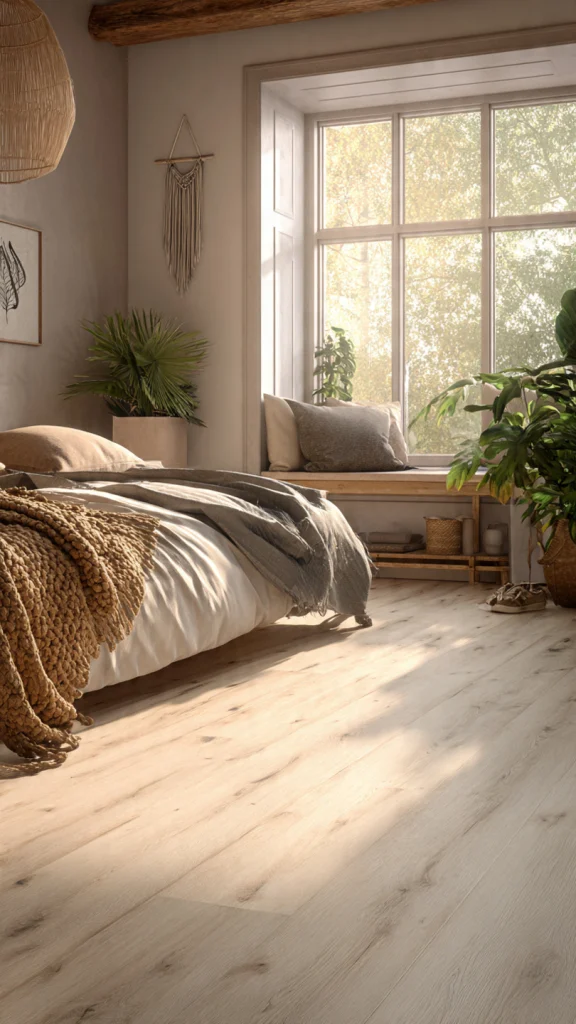
Cost: $4-$14 per square foot (installed)
Durability: 20-40 years
Installation Difficulty: Moderate
Best For: All rooms except bathrooms, can work in basements
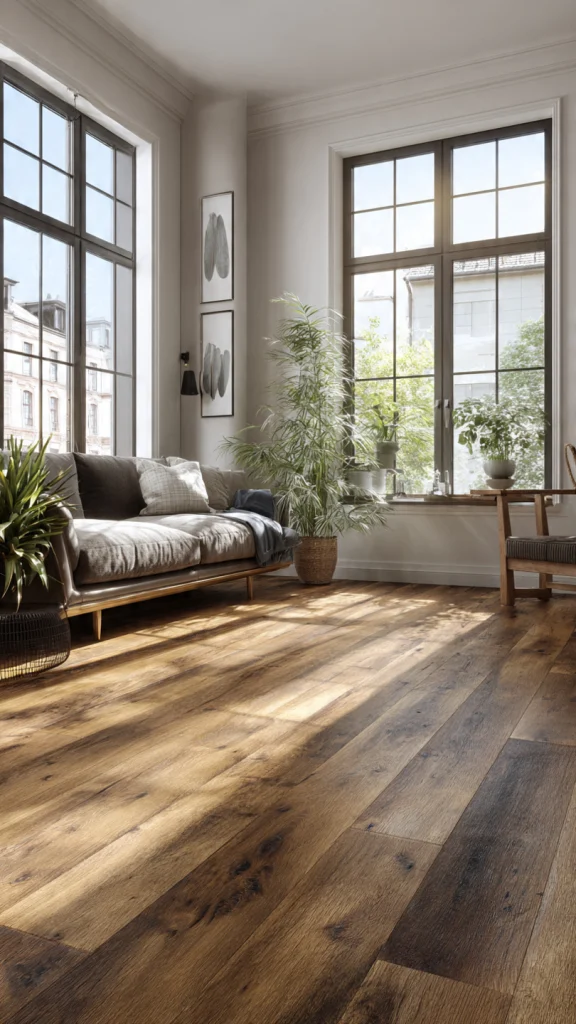
Engineered hardwood features a real wood veneer over a plywood or HDF core, making it more stable than solid hardwood while maintaining authentic wood appearance.
Why I Often Recommend It:
- More dimensionally stable than solid hardwood
- Can be installed in basements (where solid hardwood can’t)
- Works with radiant heating systems
- Real wood top layer (can often be refinished 1-2 times)
- Less expensive than solid hardwood
Best Use Cases: Engineered hardwood is my go-to for:
- Finished basements
- Homes with radiant floor heating
- Climates with high humidity fluctuations
- Clients who want real wood but have budget constraints
6. Cork Flooring: The Comfortable, Eco-Friendly Choice
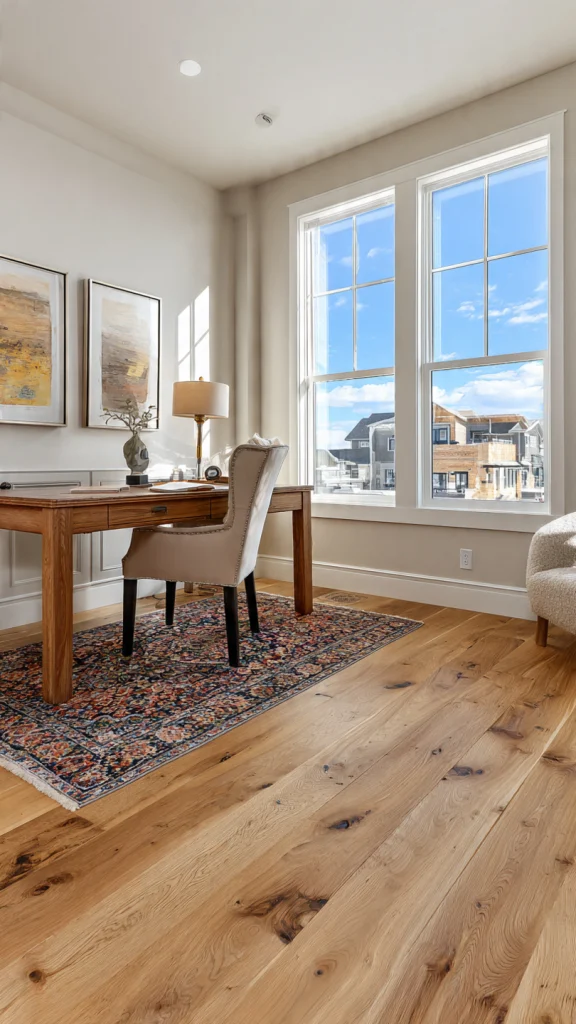
Cost: $3-$8 per square foot (installed)
Durability: 10-30 years
Installation Difficulty: Moderate
Best For: Bedrooms, home offices, playrooms
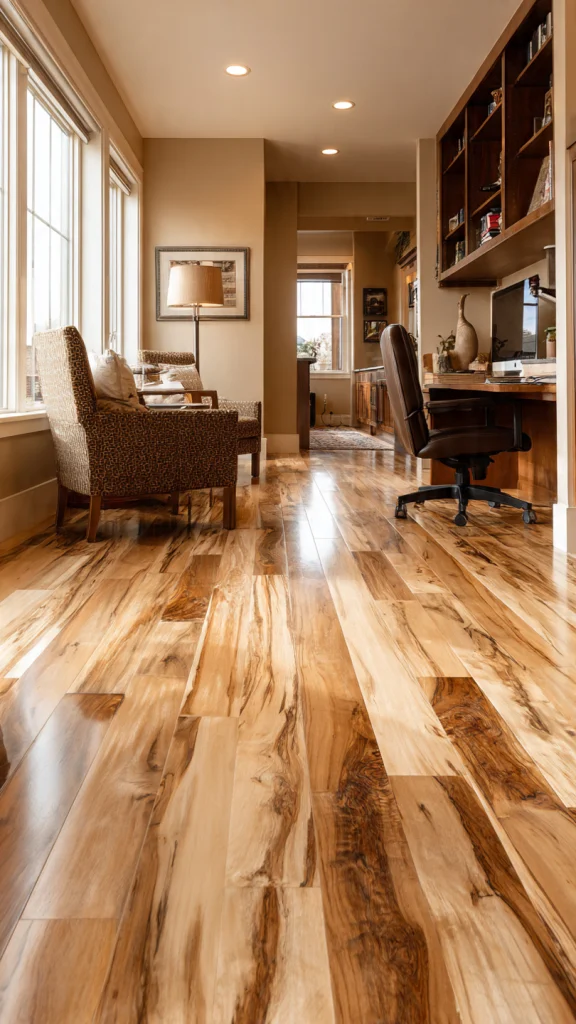
Cork is one of the most underrated flooring materials. It’s warm, cushioned, naturally antimicrobial, and completely renewable since it’s harvested from bark that regrows.
Pros:
- Extremely comfortable underfoot
- Natural insulation (warm and quiet)
- Eco-friendly and sustainable
- Naturally resistant to mold and mildew
- Unique, organic appearance
Cons:
- Can dent under heavy furniture
- Requires sealing to protect against moisture
- Limited design options compared to other materials
- UV exposure can cause fading
- Not ideal for high-moisture areas
Best For: I installed cork in my own home office, and it’s the best decision I made. Standing at my desk all day is comfortable, and it provides excellent sound dampening for video calls.
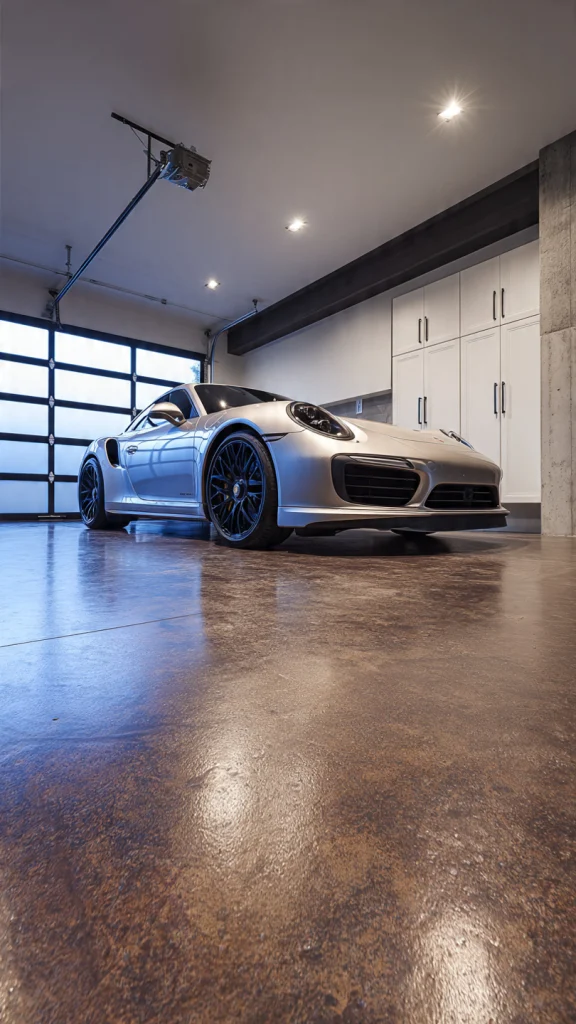
7. Concrete Flooring: Industrial Chic
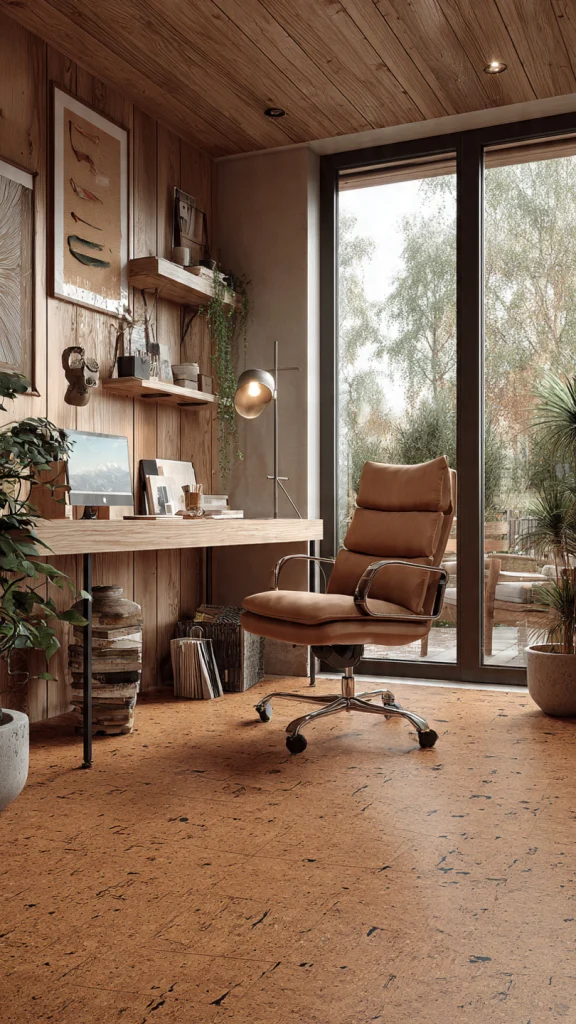
Cost: $2-$8 per square foot (basic); $8-$30 (decorative finishes)
Durability: 50-100+ years
Installation Difficulty: High (professional required)
Best For: Modern homes, basements, garages, lofts
Polished or stained concrete has moved from industrial spaces into contemporary homes, offering a sleek, minimalist aesthetic.
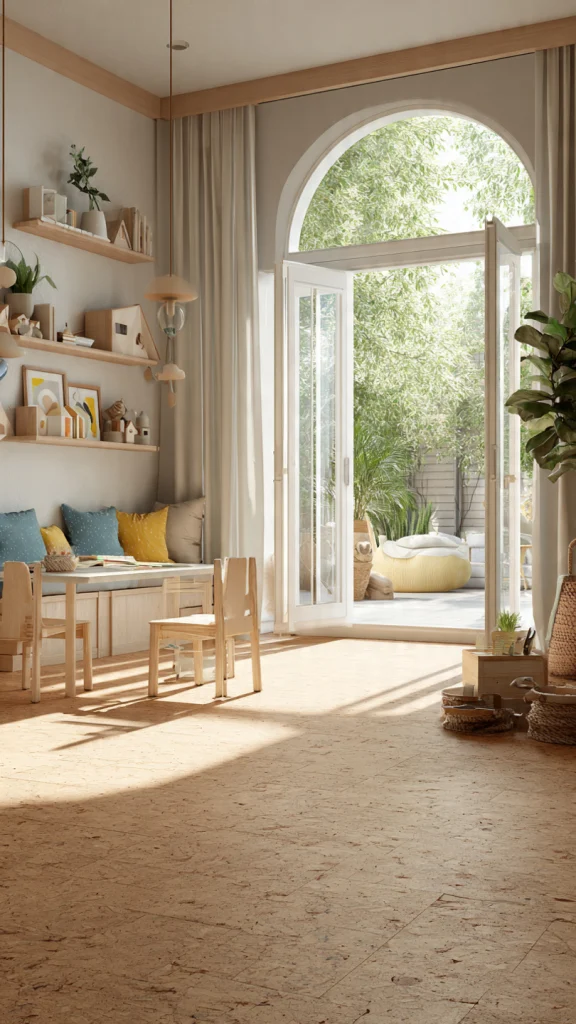
Design Applications:
- Polished concrete with glossy finish
- Acid-stained for unique patterns
- Scored or stamped for texture
- Exposed aggregate for natural stone look
Pros:
- Extremely durable and long-lasting
- Low maintenance
- Works with radiant heating
- Modern, industrial aesthetic
- Can be refinished multiple times
Cons:
- Very hard and cold underfoot
- Can crack over time
- Requires sealing
- Not comfortable for standing long periods
- Limited to ground-floor applications (weight concerns)
8. Natural Stone Flooring: Timeless Luxury
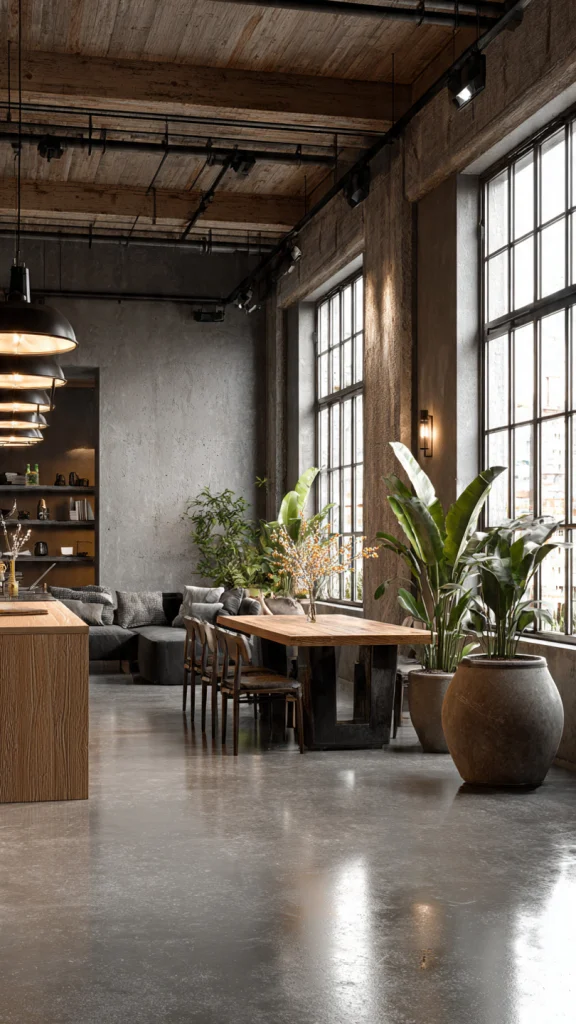
Cost: $5-$50+ per square foot (installed)
Durability: Lifetime with proper care
Installation Difficulty: High
Best For: Entryways, bathrooms, luxury kitchens
Materials like marble, travertine, slate, and granite offer unmatched natural beauty where no two pieces are identical.
Popular Stone Types:
Marble: Ultimate luxury, elegant veining, requires maintenance
Travertine: Warm tones, textured surface, needs sealing
Slate: Rustic appearance, naturally slip-resistant, very durable
Granite: Extremely hard, resists scratches, limited to tile form
Limestone: Soft aesthetic, high maintenance, etches easily
Client Caution: I had a client insist on Carrara marble throughout her kitchen despite my warnings. It’s gorgeous, but she emails me every few months frustrated about etching from lemon juice or wine. Stone requires commitment to maintenance.
Room-by-Room Flooring Guide
Kitchen Flooring Ideas
Top Choices:
- Porcelain tile (best overall—waterproof, durable, easy to clean)
- Luxury vinyl plank (warm, comfortable, budget-friendly)
- Engineered hardwood (if you love wood and are careful with spills)
Avoid: Solid hardwood (water damage risk), carpet (unsanitary), unsealed natural stone
My Kitchen Pick: I renovated my own kitchen two years ago and chose large-format wood-look porcelain tiles in a herringbone pattern. They look like real wood but handle my chaotic cooking style—I’m notorious for spilling things.
Design Tip: Choose tiles with some texture or variation to hide minor stains and wear patterns better than solid colors.
Bathroom Flooring Ideas
Top Choices:
- Porcelain or ceramic tile (waterproof, hygienic, timeless)
- Luxury vinyl tile (warm, waterproof, softer underfoot)
- Natural stone (luxury option, needs proper sealing)
Avoid: Hardwood, laminate, cork (moisture damage), carpet (mold/mildew)
Safety First: Always choose textured or matte finishes for bathroom floors. I’ve seen too many slip accidents from glossy tiles in wet bathrooms.
Small Bathroom Trick: Use larger tiles (12″x24″) even in small bathrooms. Fewer grout lines make the space feel bigger and reduce cleaning time.
Bedroom Flooring Ideas
Top Choices:
- Hardwood or engineered wood (warm, elegant, comfortable)
- Carpet (soft, quiet, cozy)
- Cork (comfortable, warm, noise-reducing)
- Luxury vinyl plank (affordable wood look)
Consideration: Bedrooms are low-traffic, so you can prioritize comfort over durability. Most of my clients choose hardwood with area rugs for the best of both worlds.
Personal Touch: In my master bedroom, I installed engineered white oak and placed a large wool area rug on each side of the bed. The wood is beautiful and easy to maintain, while the rugs provide that cozy feeling when you first step out of bed.
Living Room Flooring Ideas
Top Choices:
- Hardwood (classic, adds value, versatile)
- Engineered hardwood (more stable, budget-friendly)
- Luxury vinyl plank (family-friendly, durable)
- Tile (modern aesthetic, works with radiant heating)
Traffic Consideration: Living rooms get medium to high traffic. Choose durable options with finishes that hide scratches (matte or hand-scraped rather than glossy).
Basement Flooring Ideas
Top Choices:
- Luxury vinyl plank (waterproof, works on concrete)
- Engineered hardwood (if moisture-controlled)
- Tile (completely waterproof, durable)
- Carpet tiles (modular, replaceable sections)
Avoid: Solid hardwood (moisture sensitivity)
Moisture Warning: Before installing any basement flooring, address moisture issues. I always recommend a moisture barrier and proper HVAC control. A client once ignored this advice and had to replace $8,000 worth of flooring after just two years.
Budget Tip: If you’re finishing a basement for a playroom or casual space, consider interlocking foam tiles or carpet tiles. They’re affordable, comfortable, and easy to replace if specific sections get damaged.
Entryway/Mudroom Flooring Ideas
Top Choices:
- Porcelain tile (indestructible, handles dirt and water)
- Natural stone (slip-resistant slate or travertine)
- Luxury vinyl (durable, easy to clean)
Practical Matters: Entryways take the most abuse in your home—dirt, water, salt, snow, sand. Choose something that’s genuinely durable and won’t show every speck of dirt.
Design Recommendation: Create a transition zone. I often design entryways with tile or stone, then transition to hardwood or LVP in main living areas. This protects your primary flooring investment.
Flooring Comparison: Quick Reference Table
| Flooring Type | Cost (Installed) | Lifespan | Water Resistance | DIY Friendly | Best Rooms |
|---|---|---|---|---|---|
| Solid Hardwood | $6-$22/sq ft | 25-100 years | Low | No | Living, dining, bedrooms |
| Engineered Wood | $4-$14/sq ft | 20-40 years | Medium | Moderate | Most rooms, basements |
| Luxury Vinyl (LVP/LVT) | $2-$7/sq ft | 10-25 years | Excellent | Yes | All rooms |
| Laminate | $1-$5/sq ft | 15-25 years | Low-Medium | Yes | Bedrooms, living rooms |
| Porcelain Tile | $3-$15/sq ft | 50-100+ years | Excellent | No | Kitchens, bathrooms |
| Ceramic Tile | $1-$10/sq ft | 25-50 years | Excellent | Moderate | Bathrooms, light traffic |
| Natural Stone | $5-$50/sq ft | Lifetime | Medium | No | Entryways, bathrooms |
| Cork | $3-$8/sq ft | 10-30 years | Low | Moderate | Bedrooms, offices |
| Concrete | $2-$30/sq ft | 50-100+ years | Excellent | No | Modern homes, basements |
| Carpet | $2-$8/sq ft | 5-15 years | Low | Moderate | Bedrooms, stairs |
Budget-Friendly Flooring Ideas
Working on a tight budget? You don’t have to sacrifice style. Here are my go-to recommendations for cost-conscious clients:
Best Budget Options Under $3/sq ft:
- Laminate flooring ($1-$3/sq ft) – Choose thicker products (10-12mm) for better feel
- Peel-and-stick vinyl tiles ($0.50-$2/sq ft) – Modern versions look surprisingly good
- Basic ceramic tile ($1-$3/sq ft) – Classic subway or simple patterns
- Carpet ($1-$3/sq ft) – For bedrooms only
- Painted plywood ($2-$4/sq ft) – Trendy in modern farmhouse designs
Money-Saving Strategies:
- Shop end-of-season sales (many flooring stores discount inventory in January and July)
- Consider DIY installation for laminate or vinyl
- Buy directly from flooring specialty stores rather than big-box retailers
- Order slightly more than needed to negotiate bulk pricing
- Choose less common sizes that may be discounted
My Budget Success Story: I helped a young couple floor their entire 1,400 sq ft home for under $3,000 by using quality laminate in bedrooms and living areas, affordable LVP in the kitchen, and keeping their existing tile in bathrooms. Three years later, it still looks great.
Luxury Flooring Ideas
If budget isn’t a concern and you want showstopping floors, consider these premium options:
High-End Choices:
- Reclaimed hardwood ($10-$25/sq ft) – Unique character, sustainable, tells a story
- Exotic hardwoods ($10-$30/sq ft) – Brazilian cherry, teak, mahogany
- Large-format marble ($15-$50+/sq ft) – Timeless elegance
- Designer encaustic tile ($12-$40/sq ft) – Artistic patterns and colors
- Wide-plank European oak ($12-$28/sq ft) – Premium aesthetic
- Terrazzo ($25-$100/sq ft) – Custom designs, extremely durable
Luxury Trend Alert: Extra-wide hardwood planks (8-10 inches wide) in matte or flat finishes are the current preference among high-end buyers. They create a modern, sophisticated look that’s worth the investment.
Modern Flooring Trends in 2026
As someone who attends design shows and works with builders across the USA, here’s what I’m seeing:
Top Trends:
1. Wide Planks Everywhere
Narrow 2-3 inch planks feel dated. Modern homeowners want 5-7 inch (or wider) planks that showcase wood grain and make spaces feel larger.
2. Mixed Materials
Combining different flooring types in open-concept spaces—like wood-look LVP in living areas transitioning to tile in the kitchen—creates visual interest while being practical.
3. Matte and Textured Finishes
High-gloss floors are out. Hand-scraped, wire-brushed, and matte finishes hide scratches better and feel more organic.
4. Gray is Fading, Warmer Tones Return
After a decade of gray everything, we’re seeing a shift toward warm oak, honey tones, and natural wood colors.
5. Sustainable Materials
Eco-conscious buyers want FSC-certified hardwood, rapidly renewable bamboo, reclaimed materials, and non-toxic finishes.
6. Waterproof Everything
With improved LVP and water-resistant laminate options, homeowners want flooring that can handle real life without worry.
7. Large-Format Tiles
Tiles in 24″x48″ or even larger formats create seamless, modern looks with minimal grout lines.
Flooring for Small Spaces
Visual Expansion Tricks:
- Choose light colors to make rooms feel larger
- Install planks in the longest direction of the room
- Use large-format tiles (reduces visual choppiness)
- Keep flooring consistent throughout to eliminate visual breaks
- Choose glossy or semi-gloss finishes to reflect light
Best Materials for Small Spaces:
- Light-colored hardwood or LVP
- Large porcelain tiles in light neutrals
- Continuous flooring without transitions
My Small Space Success: In a 600 sq ft studio apartment project, we used the same light gray LVP throughout—no transitions between kitchen and living areas. The consistent flooring made the space feel at least 20% larger.
Eco-Friendly Flooring Options
Sustainability matters to many homeowners today. Here are genuinely eco-conscious choices:
Most Sustainable Options:
- Cork – Renewable, harvested without cutting trees
- Bamboo – Grows rapidly (3-5 years vs. 30+ for hardwood)
- Reclaimed wood – Gives new life to old materials
- FSC-certified hardwood – Responsibly harvested
- Linoleum – Natural materials (not vinyl), biodegradable
- Recycled tile – Made from glass, porcelain, or other reclaimed materials
What to Look For:
- FloorScore or GreenGuard certification (low VOC emissions)
- FSC (Forest Stewardship Council) certification
- Rapidly renewable materials
- Locally sourced to reduce transportation impact
- Low-VOC finishes and adhesives
Common Flooring Mistakes to Avoid
After seeing hundreds of installations, here are the mistakes I see repeatedly:
1. Skimping on Underlayment
Good underlayment makes a dramatic difference in sound, feel, and longevity. Don’t cut corners here.
2. Ignoring Moisture Issues
Installing any flooring without addressing moisture problems leads to failure. Always test basement concrete and ensure proper ventilation.
3. Not Acclimating Materials
Wood products need to adjust to your home’s temperature and humidity for 48-72 hours before installation.
4. Choosing the Wrong Product for the Space
I can’t tell you how many clients regret putting hardwood in bathrooms or basements. Match the material to the room’s conditions.
5. Following Trends Over Functionality
That trendy glossy white tile looks amazing in photos but shows every footprint and is slippery when wet. Consider maintenance reality.
6. Improper Installation
Even the best flooring fails with poor installation. For expensive materials, hiring professionals is worth every penny.
7. Not Ordering Extra
Always order 10-15% extra for cuts, waste, and future repairs. You may not find the exact match later.
Installation Considerations
DIY vs. Professional Installation
Good DIY Options:
- Laminate flooring (click-lock systems)
- Luxury vinyl plank (floating or click-lock)
- Peel-and-stick vinyl tiles
- Carpet tiles
Hire Professionals For:
- Solid or engineered hardwood (nail-down)
- Tile (requires skill for level, lasting results)
- Natural stone
- Glue-down installations
- Concrete polishing or staining
Cost Comparison:
- Professional installation typically adds $2-$8 per square foot
- DIY can save 30-50% of total project cost
- Factor in tool rental costs ($100-$300)
- Consider time investment (most rooms take 2-4 days for DIYers)
Maintenance Guide: Keep Your Floors Looking New
Hardwood Care:
- Sweep or vacuum daily (use soft brush attachment)
- Damp mop weekly with hardwood-specific cleaner
- Use felt pads under furniture
- Keep pet nails trimmed
- Refinish every 7-10 years
LVP/LVT Care:
- Sweep or vacuum regularly
- Damp mop with mild soap and water
- No waxing needed
- Wipe spills immediately
- Use felt pads under furniture
Tile Care:
- Sweep or vacuum to prevent scratching
- Mop with tile cleaner
- Seal grout annually
- Clean grout with brush and grout cleaner
- Reseal natural stone as recommended
Laminate Care:
- Dry dust or vacuum
- Damp mop (never wet)
- Use manufacturer-approved cleaners
- Wipe spills immediately
- Avoid steam mops
Frequently Asked Questions (FAQs)
What is the most durable flooring for homes?
Porcelain tile is the most durable residential flooring, lasting 50-100+ years with minimal maintenance. For wood-look options, engineered hardwood and high-quality luxury vinyl plank offer excellent durability (20-40 years and 10-25 years respectively) while being more comfortable underfoot than tile.
What is the best flooring for kitchens?
Porcelain tile and luxury vinyl plank (LVP) are the best kitchen flooring choices. Both are waterproof, durable, and easy to clean. Porcelain offers the longest lifespan, while LVP provides a warmer, more comfortable surface at a lower cost. Avoid solid hardwood in kitchens due to water damage risk.
Is luxury vinyl plank better than laminate?
Yes, luxury vinyl plank is generally better than laminate because it’s 100% waterproof (vs. water-resistant), more realistic-looking, softer underfoot, and more durable. However, laminate is more affordable ($1-$5/sq ft vs. $2-$7/sq ft) and may be sufficient for dry, low-traffic areas like bedrooms.
What flooring adds the most value to a home?
Hardwood flooring adds the most resale value to homes in the USA, with studies showing it can increase home value by 3-5% and help homes sell faster. Buyers consistently prefer hardwood in main living areas. However, luxury vinyl plank is gaining popularity as a high-value alternative at lower cost.
Can you put hardwood floors in a basement?
Avoid solid hardwood in basements due to moisture sensitivity and temperature fluctuations. Instead, use engineered hardwood (more dimensionally stable), luxury vinyl plank (completely waterproof), or porcelain tile. Always address moisture issues and use proper vapor barriers before any basement flooring installation.
How long does it take to install new flooring?
Installation time varies by material: laminate or LVP can be installed in 1-3 days for an average room, hardwood takes 2-5 days, and tile requires 3-7 days including drying time. Whole-home projects typically take 1-2 weeks. Professional installation is faster than DIY, which often takes 2-3 times longer.
What is the cheapest flooring option?
Laminate flooring ($1-$5/sq ft installed) is the cheapest option that still looks good and lasts 15-25 years. Peel-and-stick vinyl tiles ($0.50-$2/sq ft) are even cheaper but less durable. For the best value balancing cost and quality, I recommend mid-range laminate or entry-level luxury vinyl plank.
Is it OK to have different flooring in different rooms?
Yes, different flooring in different rooms is both practical and common. Use tile or LVP in wet areas (kitchens, bathrooms), hardwood or carpet in bedrooms, and durable materials in high-traffic zones. The key is creating smooth visual transitions and keeping the color palette cohesive throughout your home.
Do I need underlayment for vinyl plank flooring?
Most luxury vinyl plank comes with attached underlayment, so additional underlayment isn’t required. However, if installing LVP without attached underlayment, you should add a foam or felt underlayment for sound dampening, minor subfloor imperfection correction, and added comfort. Always use a moisture barrier over concrete subfloors.
What are the disadvantages of luxury vinyl flooring?
The main disadvantages are: it’s not a natural material (plastic-based), cannot be refinished like hardwood, cheaper products may look obviously fake, can dent under very heavy furniture, and may off-gas VOCs (choose FloorScore certified products). However, for most homeowners, the benefits far outweigh these drawbacks.
Conclusion: Choosing Your Perfect Flooring
Selecting the right flooring is one of the most important decisions in your home renovation journey. Based on my years of experience and hundreds of completed projects, here’s my final advice:
Prioritize Your Real Needs: Think honestly about your lifestyle. Do you have kids, pets, or messy hobbies? Choose durability and easy maintenance over trendy aesthetics that won’t hold up.
Don’t Sacrifice Quality for Savings: I’ve seen too many homeowners regret choosing the cheapest option. Mid-range products almost always offer the best value—they look significantly better and last considerably longer than budget options without the premium price tag.
Consider the Whole Picture: Your flooring should complement your home’s style, work with your climate, fit your budget, and meet your functional needs. The perfect flooring balances all these factors.
Room-by-Room Strategy Works Best: You don’t need the same flooring everywhere. Use waterproof materials in wet areas, comfortable options in bedrooms, and durable choices in high-traffic zones.
My Personal Recommendation: For most USA homeowners renovating today, I suggest luxury vinyl plank in kitchens and bathrooms, hardwood or engineered wood in main living areas and bedrooms, and tile in entryways. This combination offers excellent durability, timeless style, practical maintenance, and good resale value.
Remember, your floors are a long-term investment that you’ll interact with every single day. Take time to research, order samples to see in your actual lighting, and don’t rush the decision.
Ready to Start Your Flooring Project?
Visit your local flooring showrooms with photos of your space and honest information about your lifestyle. Most specialty flooring stores offer free consultations and can help you narrow down options. Order samples of your top 3-4 choices and live with them in your space for at least a week before making a final decision.
Your perfect floor is out there—it’s just a matter of finding the right match for your unique home and life.
